The History of the Arabic Language
A clear introduction to the origins, preservation, and importance of Arabic as a language of revelation, scholarship, and structured expression.
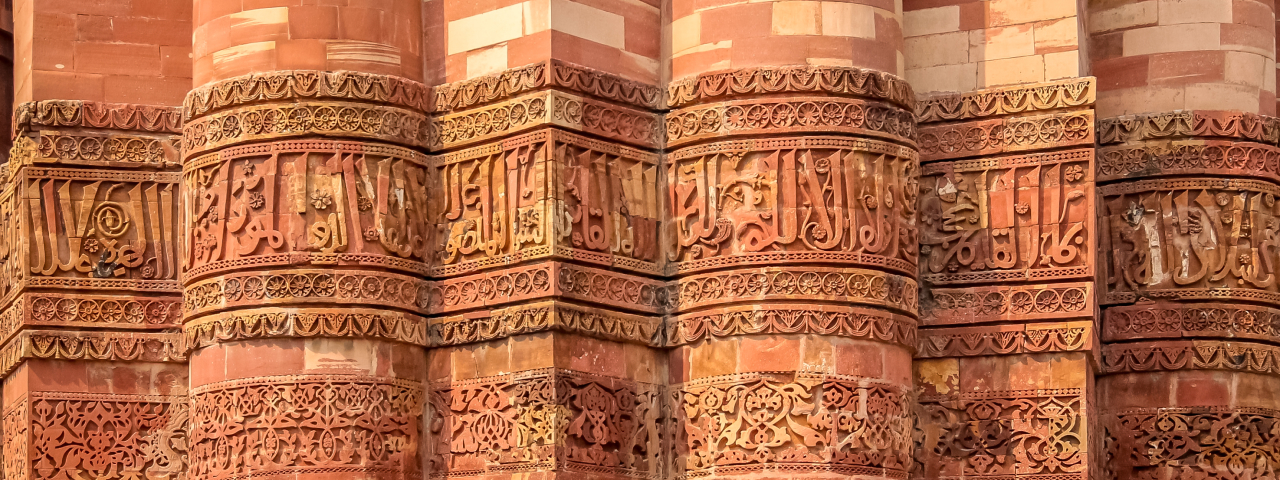
Arabic is one of the world’s most significant languages, known for its depth, precision, and strong connection to revelation and scholarship.
For students of Arabic, learning the language is not only about memorising vocabulary or rules. It is about entering a language with a long history, a rich structure, and a unique ability to carry meaning with accuracy.
Arabic has been preserved across centuries through speech, writing, memorisation, scholarship, and the study of the Qur’an and Sunnah. Its grammar, morphology, and vocabulary became areas of deep study because understanding Arabic correctly is essential for understanding Islamic texts correctly.
This is one reason why students should approach Arabic with structure. The language is not random. Words are built from roots. Meanings develop through patterns. Sentences follow systems. Grammar protects meaning.
For English-speaking students, this can feel unfamiliar at first. But once the structure becomes clear, Arabic begins to feel less confusing and more connected.
At Luma’h Lughah, our aim is to help students move beyond surface-level study and begin understanding how Arabic works as a language system.


Arabic history helps students see that the language is not simply a subject to complete, but a structured system with a deep connection to knowledge, preservation, and meaning.
Where to focus?
Focus on understanding why Arabic has been studied with such precision: its grammar, morphology, vocabulary, and role in Islamic scholarship.
Arabic is not only a language to be memorised. It is a language to be understood with structure, patience, and clarity.
Start learning Arabic with clarity
Move beyond memorisation and begin understanding the language step by step.